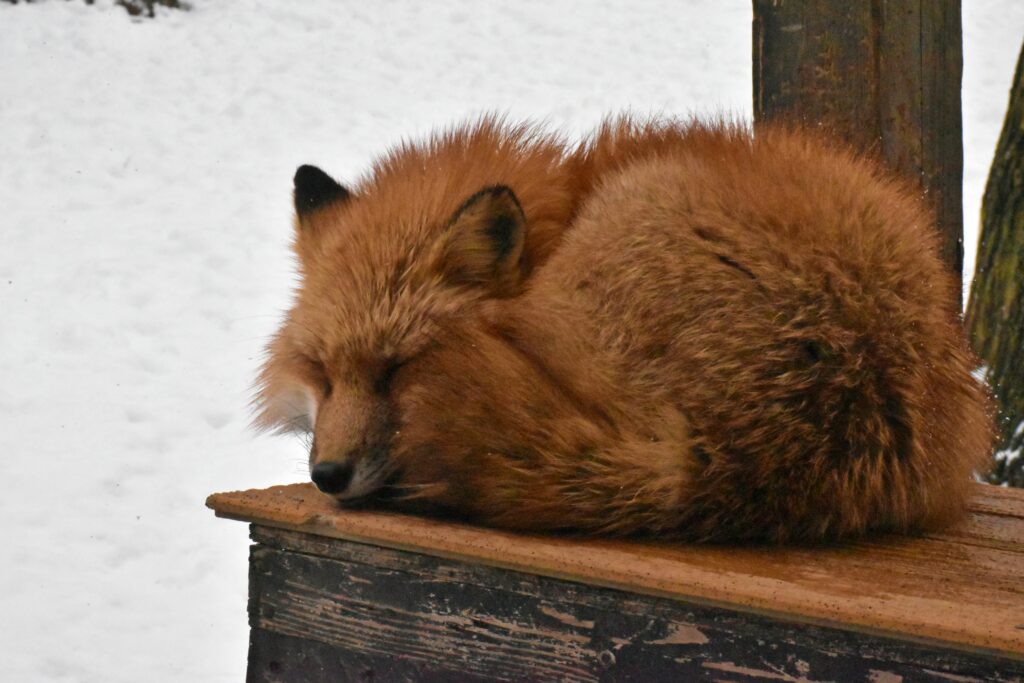
I’m not ashamed to admit it—we’re still hibernating.
Slow movements. Unhurried thoughts. Careful planning paired with a surprising amount of rest. Days that feel locked in, full of pauses and waiting. We aren’t rushing the planning this year. We’re letting the opportunities come, trusting the guidance already given, resisting the familiar urge to strive season over season.
What surprises me most is how well we’ve surrendered to the stillness.
I caught myself explaining this to a friend—listing all the things I should be doing, worrying about, pushing toward. And then confessing what I’d rather do instead: linger with ideas, sleep on them (sometimes in the middle of the day), make something with my hands alongside someone I love, gather around the table for another game of Rummikub, or try a new recipe just to taste and see what comes of it.
He listened quietly and then said, simply, “Bears hibernate when it’s cold.”
I’ve let that sentence speak ever since – not profound. Sooooo simple; that’s why it stuck!
Winter, on the farm, is not a failure of productivity—it’s a strategy for survival. Perennials retreat underground. Sap pulls back into the roots. Animals conserve energy not because they lack purpose, but because they are wise enough to wait for the right season to emerge. Rest doesn’t mean nothing is happening. It means something deeper is underway.
This season of rest has asked us to relinquish control—to trust that there is a better Timekeeper than ourselves. One who knows when the season changes. One who does not panic in the quiet. When He moves, we can move—flowing out from healing, from attention, from time spent simply being rather than endlessly becoming.
The photo you see here was taken by my son while he’s away on retreat.
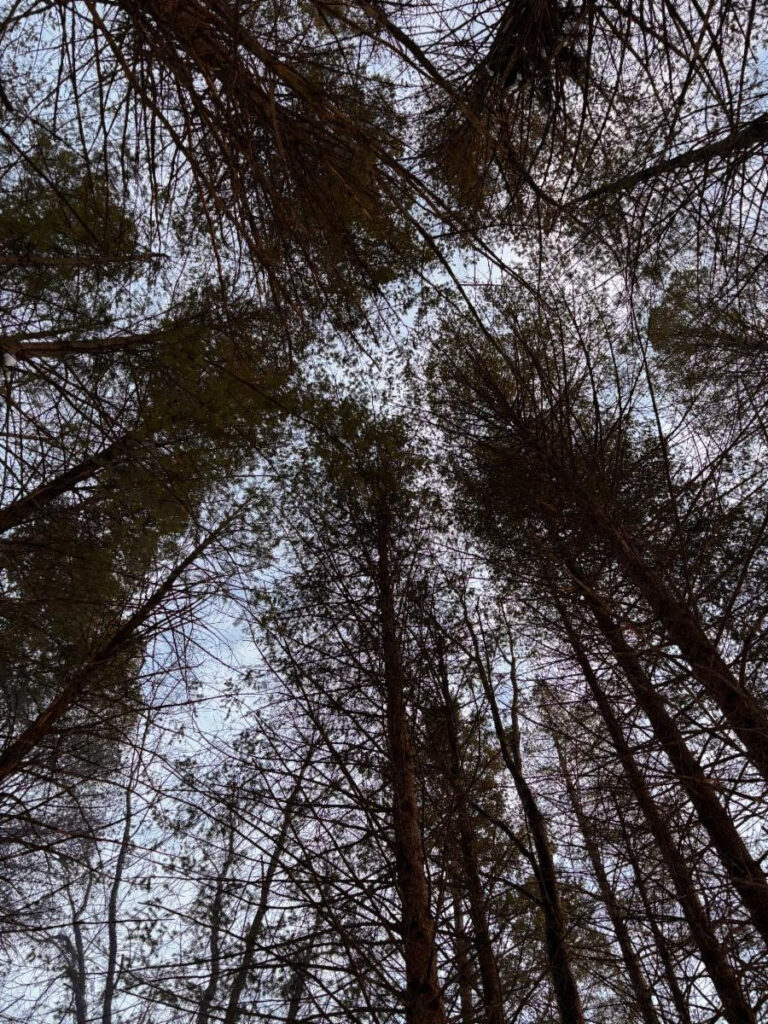 He’s looking up.
That detail stopped me.
Looking up changes everything. It’s humbling. Quieting. When we stare only at what’s in front of us, the view is crowded—busy, loud, confusing, often sorrowful. The constant message is to fix it, solve it, conquer it, outrun it. But the answer has never been found in frantic forward motion alone.
Our favorite vistas are upward. Mountains, skies, canopies of trees. Looking up reminds us we are not the center of the universe—a role we were never qualified to hold anyway. And there’s relief in that. The modern insistence on self-made meaning, personal supremacy, and relentless self-optimization is exhausting. Hollow. Hope-less, if we’re honest.
I’d rather hold a larger perspective than my own. One that is higher, older, omniscient, ever-present—and closer than we think.
There is a quiet invitation woven through both nature and Scripture: abide. Remain. Stay connected to the source of life rather than striving to generate it yourself. The New Covenant whispers this truth again and again—not that we must prove ourselves worthy of life, but that life itself is offered, shared, lived through us. “It is no longer I who live…” is not a loss of self, but a release from the burden of self-salvation.
Faith, at its truest, doesn’t demand we climb higher—it invites us to look up and rest into something steadier than our own effort. Something rooted in love, not performance. Something alive enough to carry us through winter and faithful enough to awaken us when spring comes.
For now, we’re still hibernating.
And trusting that when the season turns, we’ll know—not because we forced it, but because we abided.
Until next time,
Mrs. Farmer Jones
Abide in me, and I in you. As the branch cannot bear fruit by itself, unless it abides in the vine, neither can you, unless you abide in me… apart from me you can do nothing.
John 15:4–5